
Scar Revision
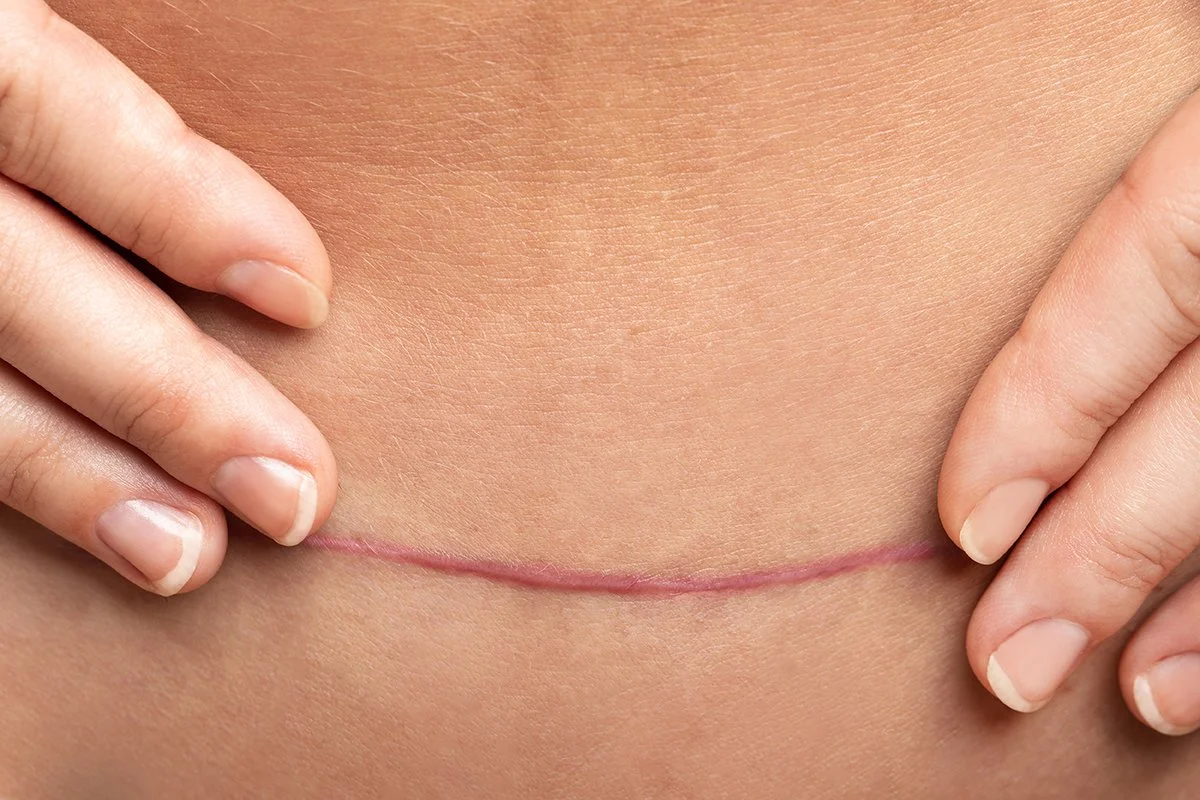
Following injury or an operation, a typical scar develops as quite red for 3-6 months before settling as a light coloured flat scar. However, if a delicate balance is not achieved during the healing process after injury or operation, a scar may display abnormalities resulting in more noticeable scars that can be itchy and painful as well as unsightly.
There are 3 types of abnormal scars:
Keloid – usually red and raised and extends onto uninjured skin that surrounds the original site of operation or injury. Develops due to an overgrowth of tissue. If a keloid scar is removed, it will often recur.
Hypertrophic – usually raised, red and painless.
Contracture – These scars tighten skin, which can impair your ability to move. Can occur if your skin has been burnt.
Abnormal scar appearances can be improved with both nonsurgical treatments and/or surgery.

Non-surgical treatment
In some cases, cortisone injections can improve the scar appearance by reducing scar thickness, redness and/or itching. Otherwise, surgery will be required.
Surgery
The surgical technique selected depends on the type, size and site of the scar.
Options include:
Completely removing the scar and then mending the wound again
Taking skin from other areas to cover up the areas of the scar (also known as skin “flaps” or “grafts”)
Making the scar less noticeable by changing the direction of the scar (the z-plasty technique)
Meticulous technique, both in the removal of the existing scar and also the repair (suturing) of the wound is paramount.
Recovery
The post-operative care of the wound and removal of sutures is also very important.
Sutures are usually removed 5-14 days post-surgery. At this appointment, our practice nurse will advise you on when and how to start your scar management protocol at home.
Risks of Scar Revision Surgery
Key risks specific to Scar Revision surgery are:
Change in skin sensation
Damage to deeper structures including nerves, blood vessels, muscles
Skin contour irregularities
Skin discoloration and swelling
Skin sensitivity
Revision Surgery
Additional general risks inherent in undergoing surgery and local anaesthesia are explained at the time of consultation.
Frequently Asked Questions
-
A good scar management routine usually involves a combination of applying silicone gel, massaging with bio oil, using tape on the wound and keeping the area out of the sun for several months post-surgery. The exact routine prescribed will depend on the procedure performed, the area of the body and your age and skin type. Diligent adherence to the routine is your best chance to minimise scarring.
-
We recommend a silicone-based scar gel as there is strong scientific evidence that silicone improves scar outcomes.
-
Massaging the scar daily can help reduce sensitivity and pain – scars can be uncomfortable and painful for the first month after surgery as they heal.
-
The sun does not technically make the scar worse, however, your scar will be more susceptible to sun damage than undamaged skin. Hence it is important to wear sun protection daily on the scar.
-
The scar healing process will generally take between 9-12 months after which point it will become a mature, pale scar if it has healed well.
-
A cortisone injection can be useful in treating hypertrophic and keloid scars as it can help dissolve excess collagen and create a flattened appearance.
-
If you develop a complication such as stretching, keloid or hypertrophic scarring, this will normally be evident by the 6-month mark, which is a good time to consider scar revision surgery.
-
No scar can be completely eradicated, however every effort is taken to significantly improve its appearance.
-
If Scar revision surgery is required, your sutures are usually removed 5-14 days post-surgery. At this appointment, our practice nurse will advise you on when and how to start your scar management protocol at home.
Glossary of Medical Terms
Typical Scar
A typical scar that is healing well may develop as quite red for 3-6 months before settling as a light-coloured, flat scar by about 9-12 months once healing is complete.
Keloid Scar
Develops due to an overgrowth of tissue – usually red and raised and extends onto uninjured skin that surrounds the original site of operation or injury. If a keloid scar is removed it will often recur.
Hypertrophic Scar
Usually raised, red and painless.
Contracture Scars
This can occur if your skin has been burnt. These scars tighten skin, which can impair your ability to move and may also go deeper, affecting muscles and nerves.
RANDWICK PLASTIC SURGERY